Introduction to Next-Gen Power
Every day, we rely on our phones, laptops, and electric vehicles (EVs), constantly wishing they could charge faster without the power bricks becoming bulky or overheating. Traditional silicon-based power adapters have reached their physical limits.
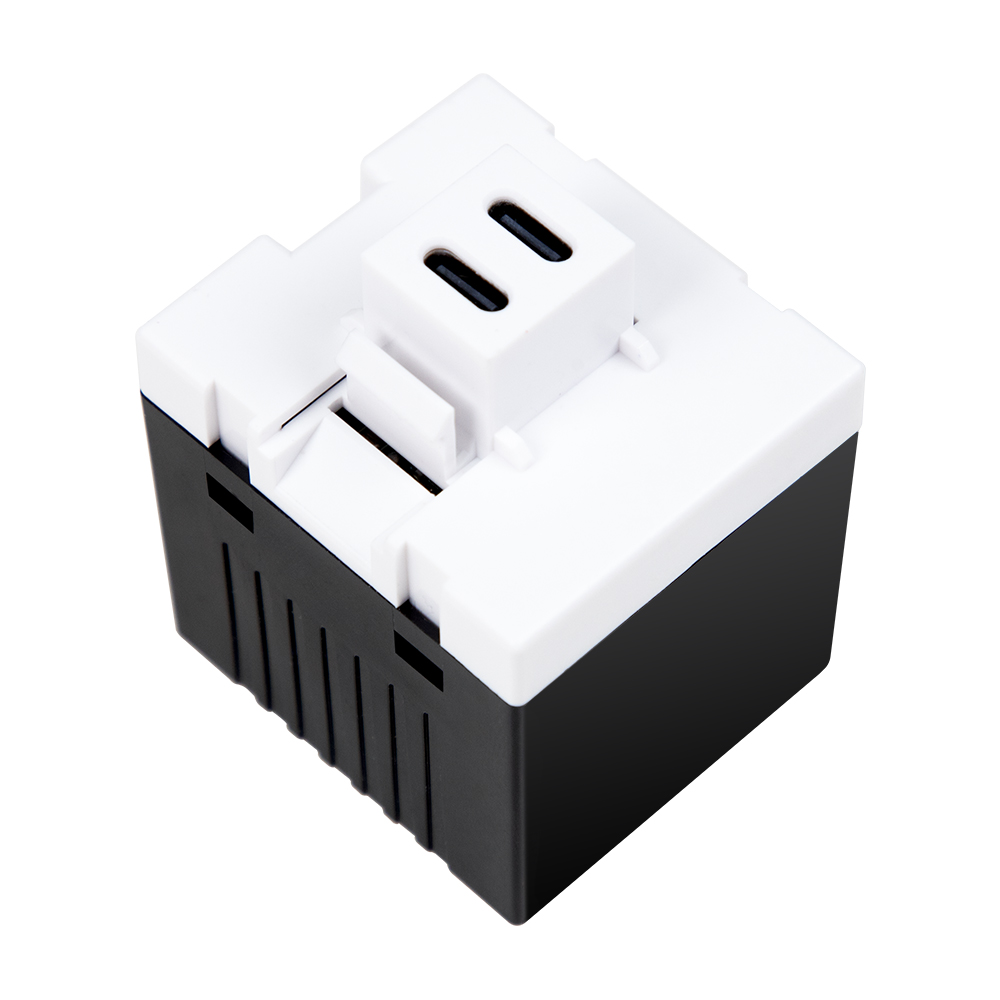
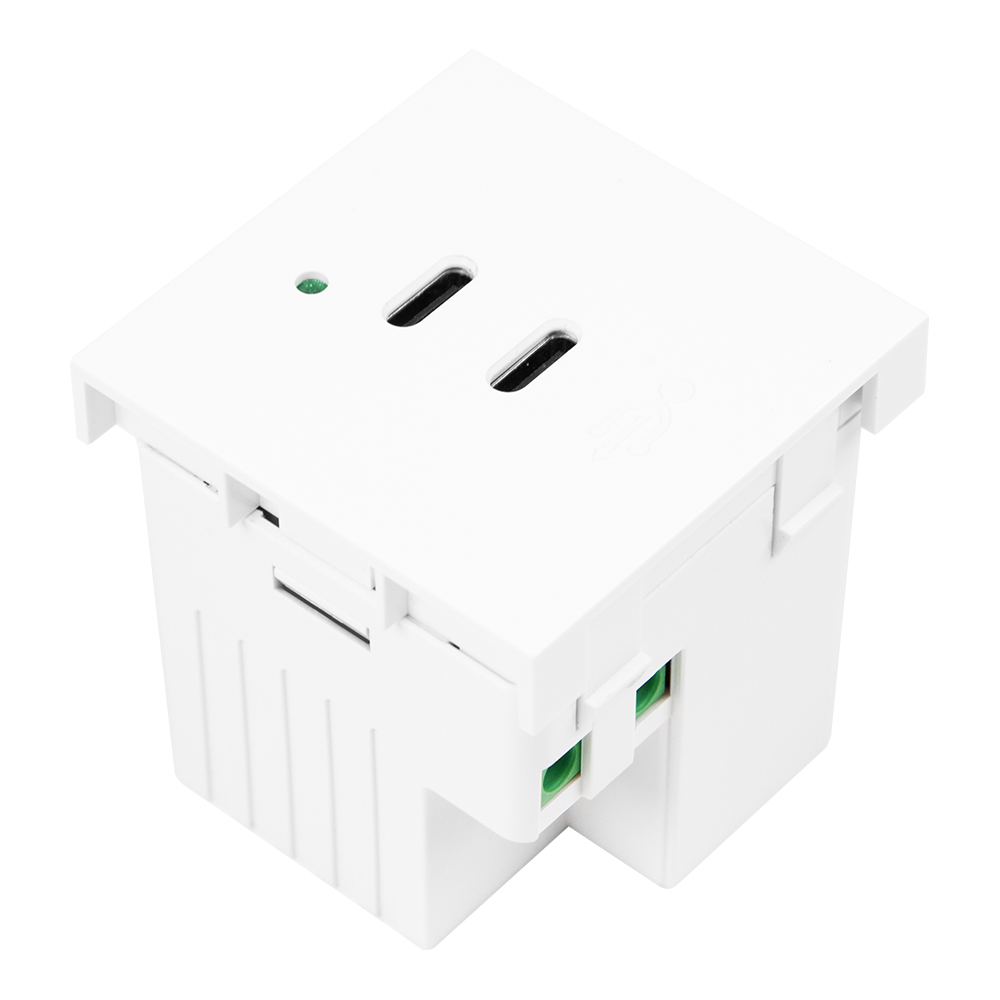
Enter Gallium Nitride (GaN), a revolutionary semiconductor material that is changing the game. This advanced compound is dominating the consumer electronics market by miniaturizing adapters and custom USB modular sockets, while quietly upgrading how electric vehicles manage power.
In this guide, we break down what GaN technology is, how it compares to legacy solutions, and why it offers unparalleled efficiency for both everyday users and large-scale industries.
What is Gallium Nitride (GaN)? The Secret of Fast Charging
To understand this innovation, we must look at how electricity flows. GaN is what engineers call a "wide bandgap" semiconductor (materials capable of withstanding significantly higher voltages and temperatures). Unlike traditional silicon (Si), which has a narrow energy bandgap of just 1.1 eV, GaN boasts a superior rating of 3.4 eV.
In simple terms, a wider bandgap allows the material to handle higher voltages without breaking down. Because of this structural strength, electrons move through it incredibly fast. Furthermore, GaN supports switching frequencies exceeding 1 MHz. This ultra-fast operation allows internal components to switch at speeds close to 150 V/ns, meaning almost no energy is lost as heat.

Why Choose GaN? The Advantages Over Traditional Silicon
Ultra-Compact Size: Adapters built with GaN can be 30% to 50% smaller than conventional counterparts. A high-power 240W USB-C charger can achieve a remarkable power density of 42 W/in³.
Superior Efficiency: Older power bricks waste energy and peak under 90% efficiency. GaN fast chargers can reach an impressive 95.3% efficiency even under a full workload.
Advanced Thermal Management: Because less energy is wasted, very little heat is generated. Engineers can often completely remove heavy, space-consuming heatsinks from modular designs.
System-Level Cost Savings: While raw GaN chips cost more, they allow manufacturers to use smaller capacitors and magnetic parts, lowering the overall manufacturing cost by 10% to 20% for certain applications.
GaN vs. Silicon (Si) vs. Silicon Carbide (SiC): Which is Best?
To provide a clearer picture of how GaN stacks up against conventional Silicon (Si) and another premium option, Silicon Carbide (SiC), review the data breakdown below:
| Feature / Metric | Gallium Nitride (GaN) | Traditional Silicon (Si) | Silicon Carbide (SiC) |
|---|---|---|---|
| Size & Power Density | 30-50% smaller, up to 42 W/in³ | Larger, bulky magnetic parts | Large, built for >150W power |
| Efficiency | 95.3% at full load | Peaks below 90% | High, but >85 nC reverse loss |
| Thermal Management | Low heat generation, runs cool | High heat, requires heatsinks | Good, but sub-optimal for low power |
| Switching Frequency | >1 MHz | <20 kHz | 100 kHz |
| Ideal Applications | 20W-300W consumer chargers & modular sockets | Basic charging under 30W | Heavy industrial / EV traction (>150W) |
Basic silicon is still used for cheap, low-power chargers under 30W. SiC is fantastic for high-voltage industrial machinery. However, for everything in between, especially the popular 20W to 300W charging range, GaN takes the crown.
Real-World GaN Applications: Feel the Difference
1. Ultra-Portable Smartphone & Laptop Chargers: GaN fast chargers (45W to 140W) are 50% to 60% smaller than traditional silicon chargers. Heavy 240W laptop bricks are being replaced by compact GaN adapters, making travel easier.
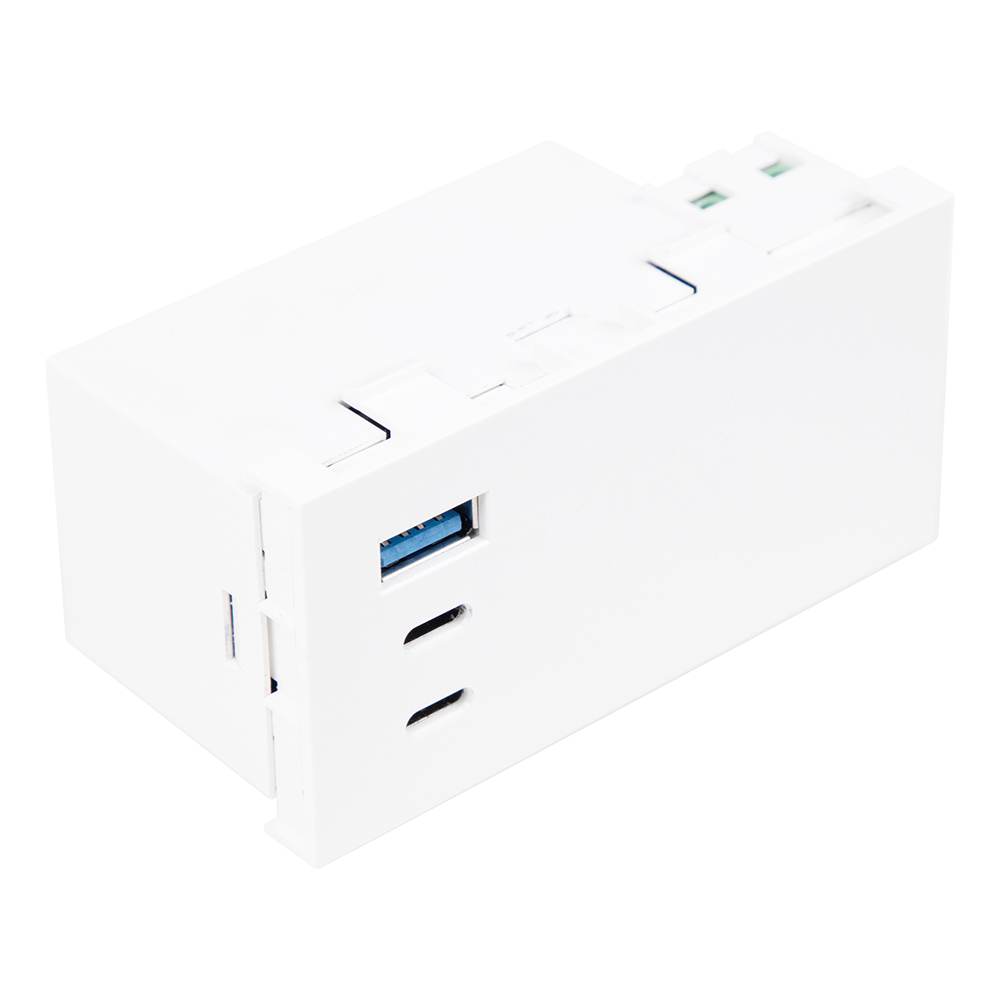
2. "All-in-One" Custom Modular Power Sockets: High power density allows brands to fit multiple ports (e.g., dual USB-C and USB-A) into custom modular socket configurations and tiny travel blocks.
3. Cooler Gaming & Phone Charging: Built directly into smartphone circuits, GaN reduces internal heat, maintaining peak charging speeds even during heavy mobile gaming.
4. High-Performance PC Power Supplies: High-end gaming PCs utilize GaN in massive 1600W power supplies, translating to quieter cooling fans and more compact computer cases.

Large-Scale Application: Electric Vehicles (EVs)
Beyond consumer electronics, GaN is heavily utilized in On-Board Chargers (OBCs) and power converters inside electric cars. By shrinking internal power units by 3 to 4 times and reducing energy loss, automakers can use smaller, cheaper battery packs to achieve the exact same driving range.
The Future: Cost Trends & Market Predictions
Manufacturing Upgrades: Factories are upgrading production lines from 6-inch to 8-inch wafers, expected to slash production costs by 20% to 30%.
A Shift in Pricing: Experts predict that by 2028, the price of GaN chips will drop below SiC alternatives. The automotive market for this technology alone is projected to hit $2.12 billion by 2034, growing at over 30% annually.

Frequently Asked Questions (FAQ)
Are chargers using GaN technology more expensive to buy?
While the internal GaN microchip costs a bit more initially, the overall device doesn't require as many casing parts or bulky cooling blocks. This system-level savings keeps the final retail price very competitive while delivering double the performance.
Is GaN fast charging safe for my everyday devices?
Absolutely. Because GaN operates with extremely low heat dissipation, these modern adapters are significantly safer and cooler to the touch compared to older, heat-prone silicon models.
Will Gallium Nitride replace Silicon Carbide in all electric cars?
No, they serve different purposes. GaN is perfect for medium-voltage tasks like internal battery charging (On-Board Chargers), while Silicon Carbide (SiC) will continue to handle the massive 800V power needed for EV traction inverters to spin the wheels.
Conclusion: The Future is GaN
Stepping away from outdated silicon offers incredible benefits in size, thermal safety, and overall system affordability. Whether you are powering a laptop, integrating modular USB sockets, or designing the next generation of electric vehicles, Gallium Nitride is leading the charge.
Experience Gallium Nitride fast charging technology today and upgrade your power solutions!