Compliance Guide · OEM Procurement TUV/VDE USB Module Certification Cost vs. Domestic Chinese Test ReportsWhy European OEM furniture buyers treat the certification fee as insurance, not overhead. |
Why does TUV VDE USB module certification cost OEM Europe programmes so much more than a domestic Chinese test report? The answer is simple. TUV and VDE are not selling a test. They are selling market access and legal protection. This guide explains the difference in plain terms. It covers what each type of certification delivers, why the cost gap exists, and what happens when an OEM picks the cheaper option for the European market.
What Is the Difference Between TUV VDE Certification and a Low-Cost Test Report?A low-cost Chinese domestic test report and a TUV VDE mark both appear on paper. But they represent entirely different commercial and legal outcomes. A low-cost domestic report confirms one thing: a sample passed tests on a specific day. The scope is narrow. The lab has no EU market authority. TUV VDE USB module certification is a full evaluation against the complete standard. For a 100W USB-C PD module in office furniture, this covers IEC 62368-1:2023 safety at worst-case thermal load. It includes EN 55032 and EN 55035 EMC tests, batch sampling, factory audits, and annual checks. The domestic Chinese report asks: did this sample work today? TUV VDE USB module certification cost OEM Europe teams invest in answers a different question: is this product safe, compliant, and accepted across the EU market? Why Does TUV VDE Certification Cost So Much More?Five factors drive the TUV VDE USB module certification cost OEM Europe teams see versus domestic Chinese lab pricing. Test depth and scope. A 100W PD module must be tested at maximum load and high temperature. TUV and VDE run 1,000-hour ageing cycles. Low-cost domestic labs test at nominal load, room temperature, one session. A module that passes a domestic audit can still fail EU market entry screening the same morning. EMC stringency for embedded power. An embedded USB module sits in a metal furniture frame, near AC wiring and wireless devices. TUV VDE tests the module in a real installation setup. Domestic Chinese labs test it on a bench. The emissions results are not the same. The responsibility framework. When TUV or VDE issues a certificate, the body accepts defined liability under EU product safety law. A domestic test report carries no such cover. The OEM buyer takes all risk if something goes wrong. Market acceptance. German, Dutch, and Scandinavian furniture buyers name TUV or VDE in their purchase specs. A domestic Chinese test report does not meet this requirement. The lab's own accreditation status does not change this. Protocol complexity. A four-port 100W PD module with dynamic power sharing must be tested at full load on all ports at the same time. This needs hardware and firmware expertise that most general-purpose labs do not have. | 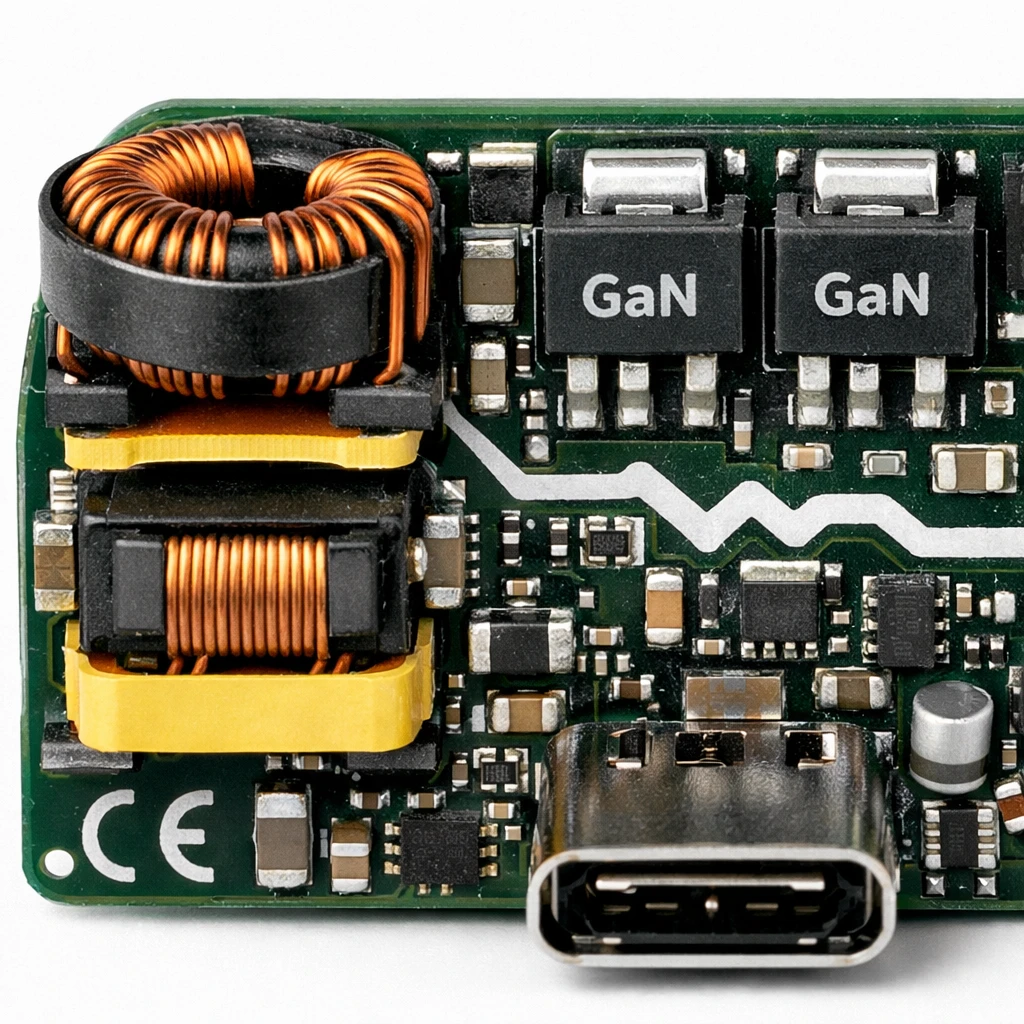 |
How Should OEM Procurement Teams Evaluate Certification Before Sourcing?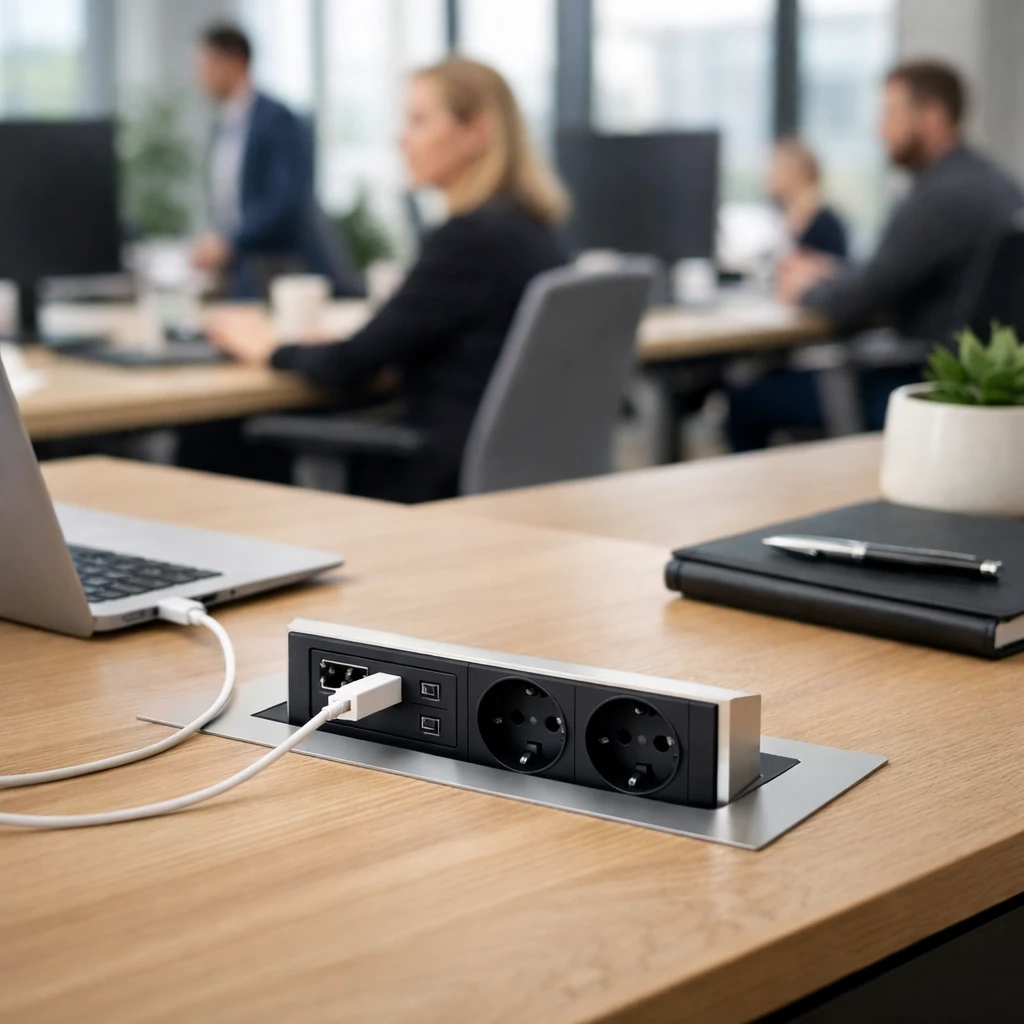 European procurement teams increasingly specify TUV or VDE certification by name in supplier qualification requirements. |
For OEM procurement, the question is simple: which credential removes risk at each stage of product approval? Here is a checklist for USB power module qualification in European furniture programmes. Confirm whether the buyer specification names a certification body. German commercial furniture brands and Nordic hotel chains often require TUV VDE USB module certification or an ENEC mark by name. Check the installation environment. A module in a metal desk frame has different EMC and thermal needs than one mounted externally. The certification must match actual use. Ask for the full certificate, not just the test report. A TUV or VDE certificate shows the number, scope, standards, valid date, and factory audit status. Check that the certificate is live. TUV VDE certificates require annual surveillance and are cancelled if factory conditions change. Search the issuing body's public registry by certificate number before signing any sourcing contract. Know who carries the risk. If the module is sourced on a domestic Chinese test report and a field incident occurs, the EU importer of record may face direct legal exposure under Regulation 2019/1020. A recognised certificate removes this risk.
|
For modules above 60W, the cost of re-certification after a field recall is always higher than the original TUV VDE USB module certification cost OEM Europe teams budgeted. European procurement treats the certification fee as insurance, not overhead. Who Bears the Consequences of Under-Certification in the European Market?Under EU Regulation 2019/1020, the importer of record and the maker are both responsible for compliance. For a USB power module in furniture, the key directives are the Low Voltage Directive 2014/35/EU and the EMC Directive 2014/30/EU. When a product enters the market with only a domestic Chinese test report, the OEM accepts the compliance gap. If a national market authority flags the product and the technical file lacks a valid third-party certificate, the authority can require withdrawal. It can issue penalties. It can notify RAPEX. This sends alerts across all 30 EEA states at once. TUV VDE USB module certification cost OEM Europe programmes pay is not a premium for prestige. It is the cost of a clear risk position in the EU market. A supplier with a domestic Chinese test report at a lower price is not a cheaper option. They are moving risk onto the OEM. European managers who require TUV VDE USB module certification in their specs are protecting their own legal stand. This is normal in German, Dutch, and Scandinavian furniture OEM supply chains.
Frequently Asked QuestionsWhy is TUV VDE USB module certification cost so high compared to domestic Chinese labs?TUV and VDE do not sell test time. They provide market access credentials with legal accountability in the EU. The cost covers full-scope testing, factory audits, annual surveillance, and the body's own liability. A typical TUV or VDE certificate for a 100W USB module costs EUR 8,000 to EUR 20,000. A domestic Chinese test report costs a few hundred euros and is not recognised by European buyers or market surveillance authorities. | Can a domestic Chinese test report replace TUV or VDE certification for European OEM buyers?In most European furniture procurement specs, no. German, Dutch, and Scandinavian buyers name TUV, VDE, or ENEC in their supplier qualification documents. A domestic Chinese test report from a non-EU-notified lab does not meet this requirement. | What happens if a USB module enters the EU market with only a domestic Chinese test report?National market authorities can challenge the technical file. If a USB module lacks a valid third-party certificate from a recognised EU body, the authority can require withdrawal. It can issue penalties. It can notify RAPEX, sending alerts across all 30 EEA member states. | How does TUV VDE certification test a USB module differently from a standard lab?TUV and VDE test under full load on all ports at once, at high temperature, over long ageing cycles, in a real furniture install setup. Domestic Chinese labs test one port at nominal load on a bench. These are not the same conditions for an embedded commercial product. | Is the TUV VDE USB module certification cost OEM Europe programmes pay recovered through the product price?Yes. Certified modules achieve higher acceptance rates in tender evaluation. More practically, the cost of a RAPEX notification and product recall in the European market consistently exceeds the original certification fee by a wide margin. |
GLOB-EL Certified Power SolutionsGLOB-EL supplies TUV VDE USB module certification documentation as standard for all modules entering European OEM furniture programmes. Every module ships with a valid certificate number, full test scope, and factory audit date. Request the complete documentation package from our technical team before your next sourcing cycle. A RAPEX recall for an under-certified power module carries an average remediation cost of EUR 80,000 to EUR 300,000 in the European market. The certification fee is paid once. |
|